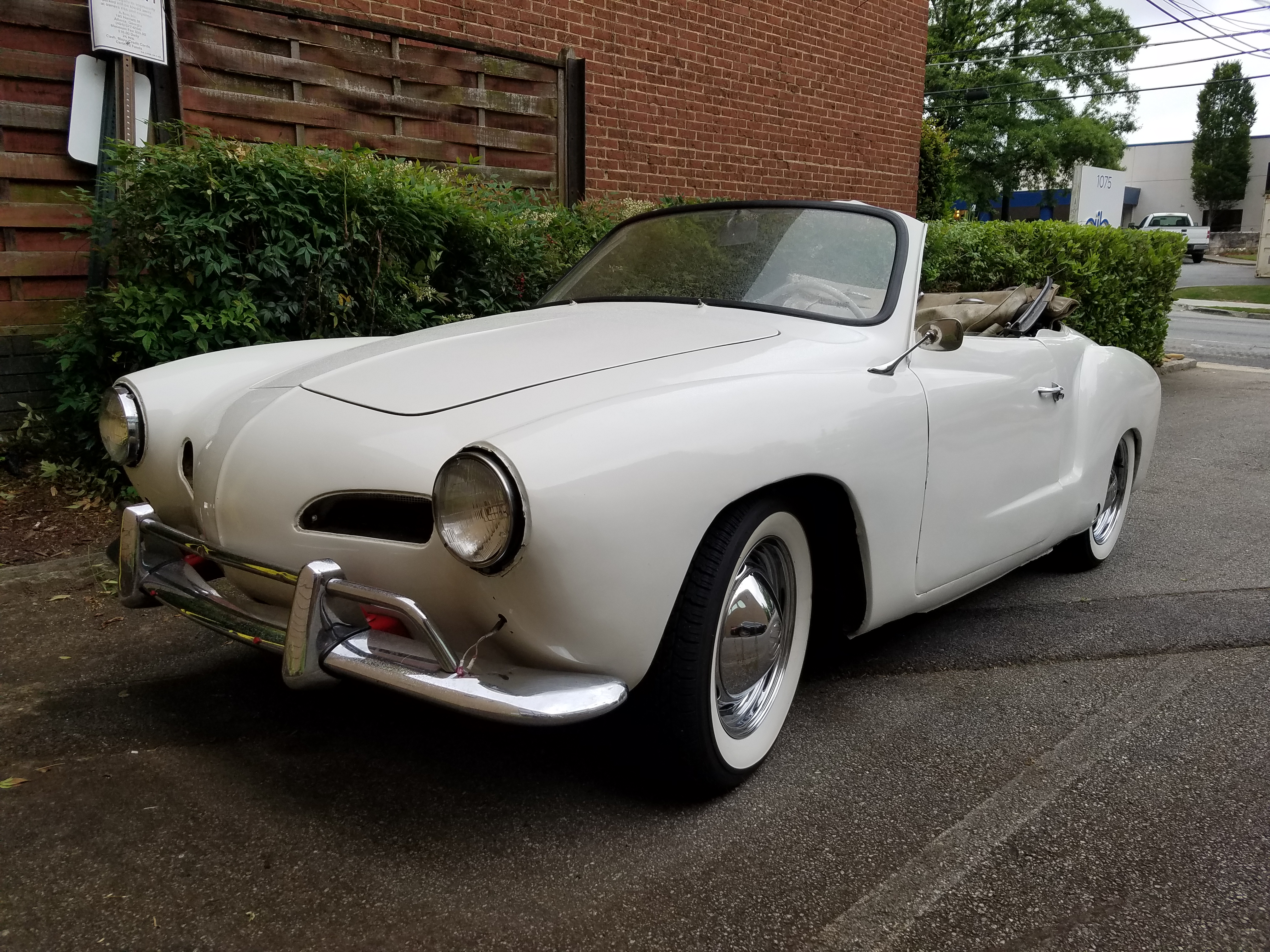
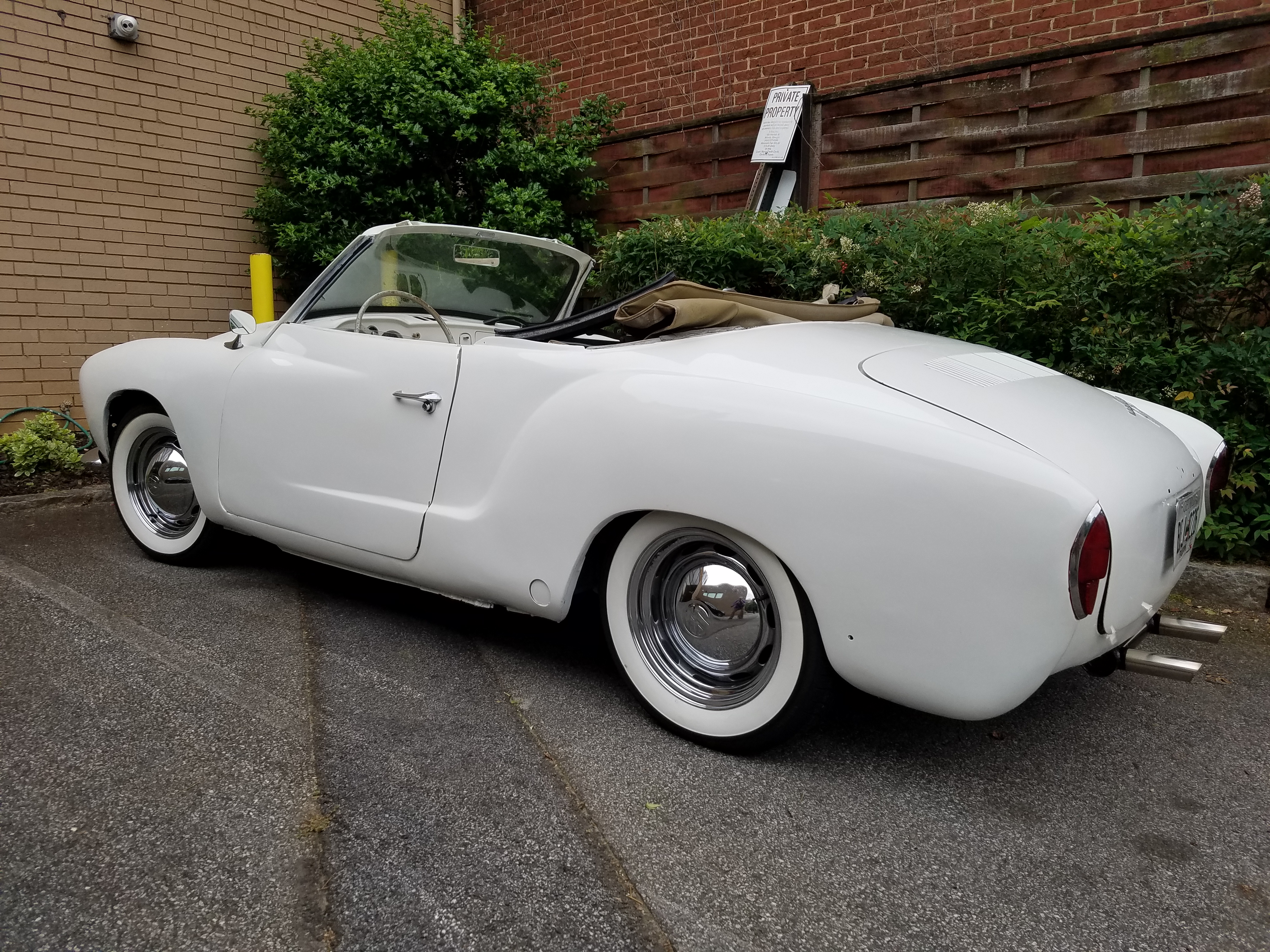
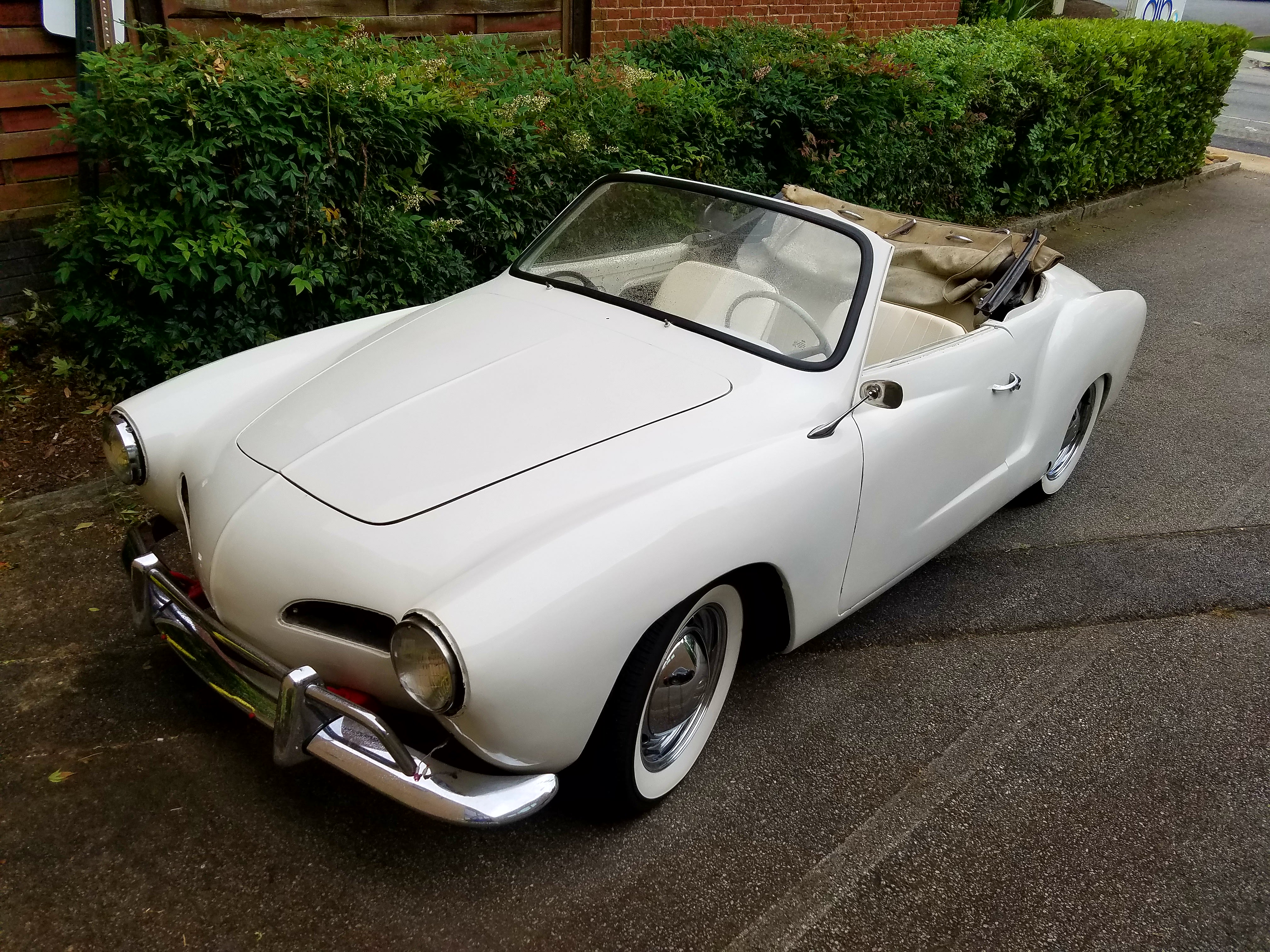
Every garage should have one of these. Overhead version please.
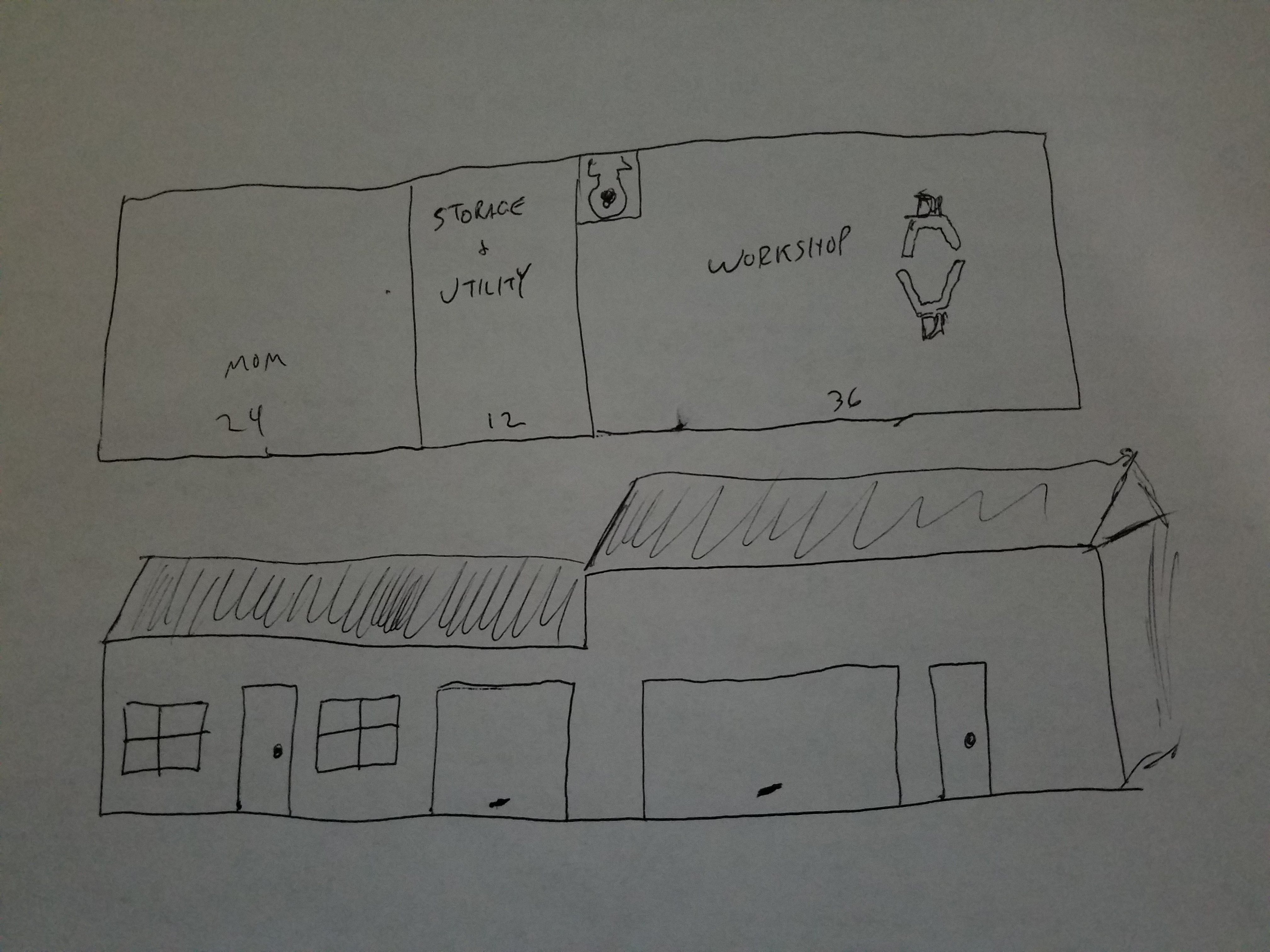
Perhaps when I build the garage I could make one side taller to accommodate a full size lift.

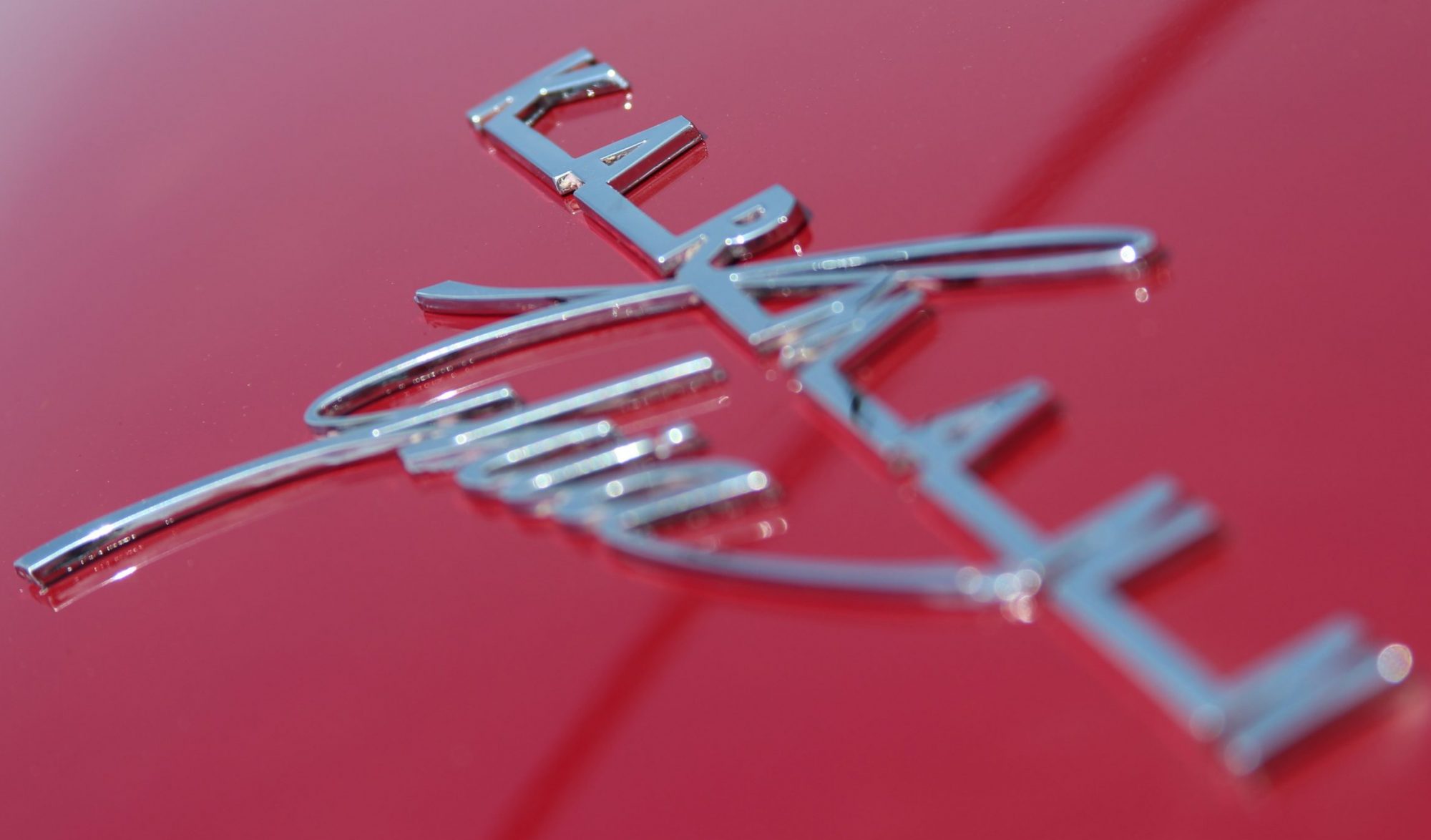

AKA Project Farfemmuven
Every garage should have one of these. Overhead version please.
Perhaps when I build the garage I could make one side taller to accommodate a full size lift.
I heard about these folks on the “My Classic Car” program and they appear to do fantastic work. They are a bit on the expensive side, but typically you get what you pay for and their work is backed by a lifetime guarantee.
I was looking back over some of my blog posts and was thinking, these might be the perfect combo.
Mendeola Front & Rear Suspension
I have to keep this in mind.
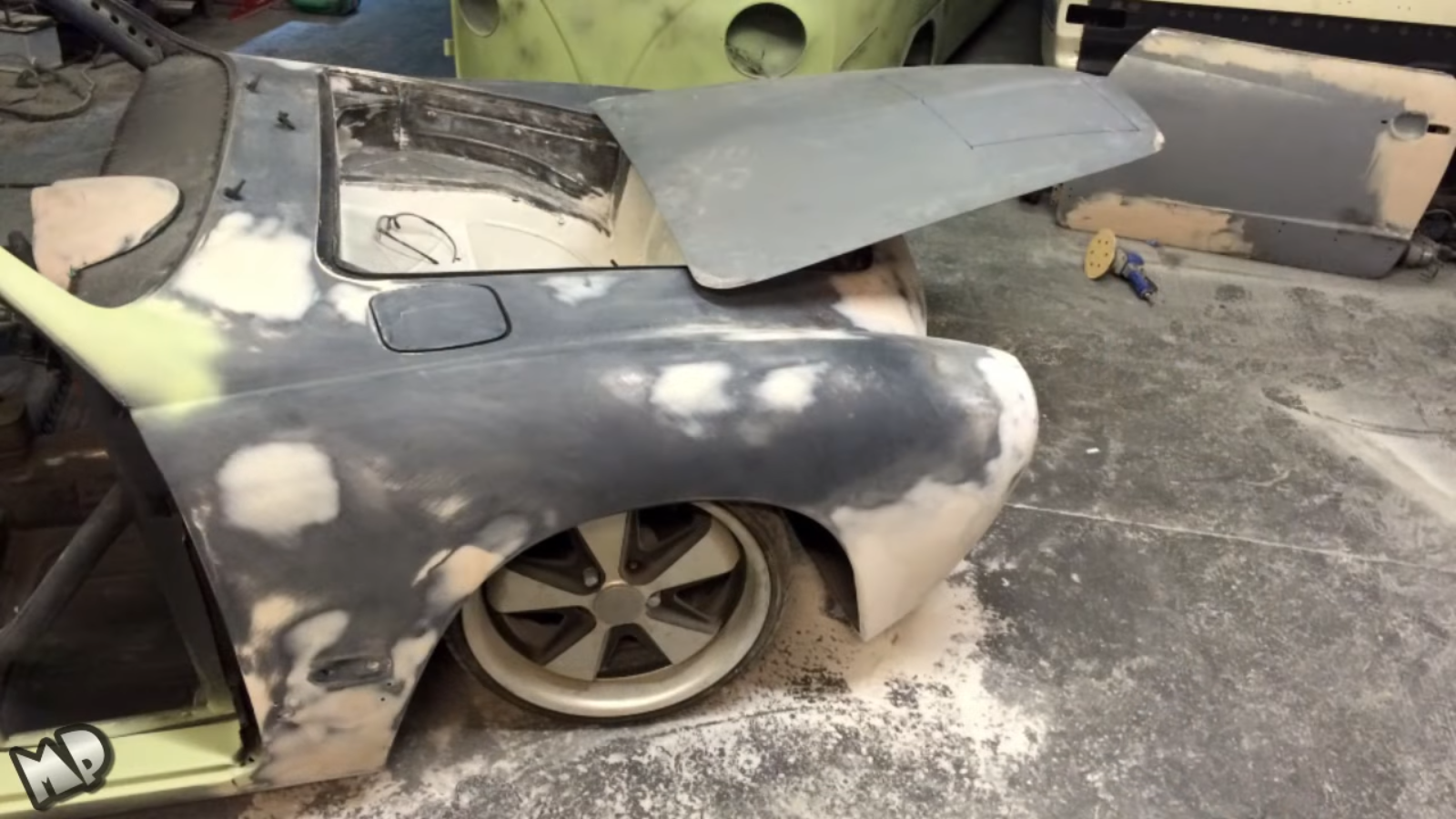

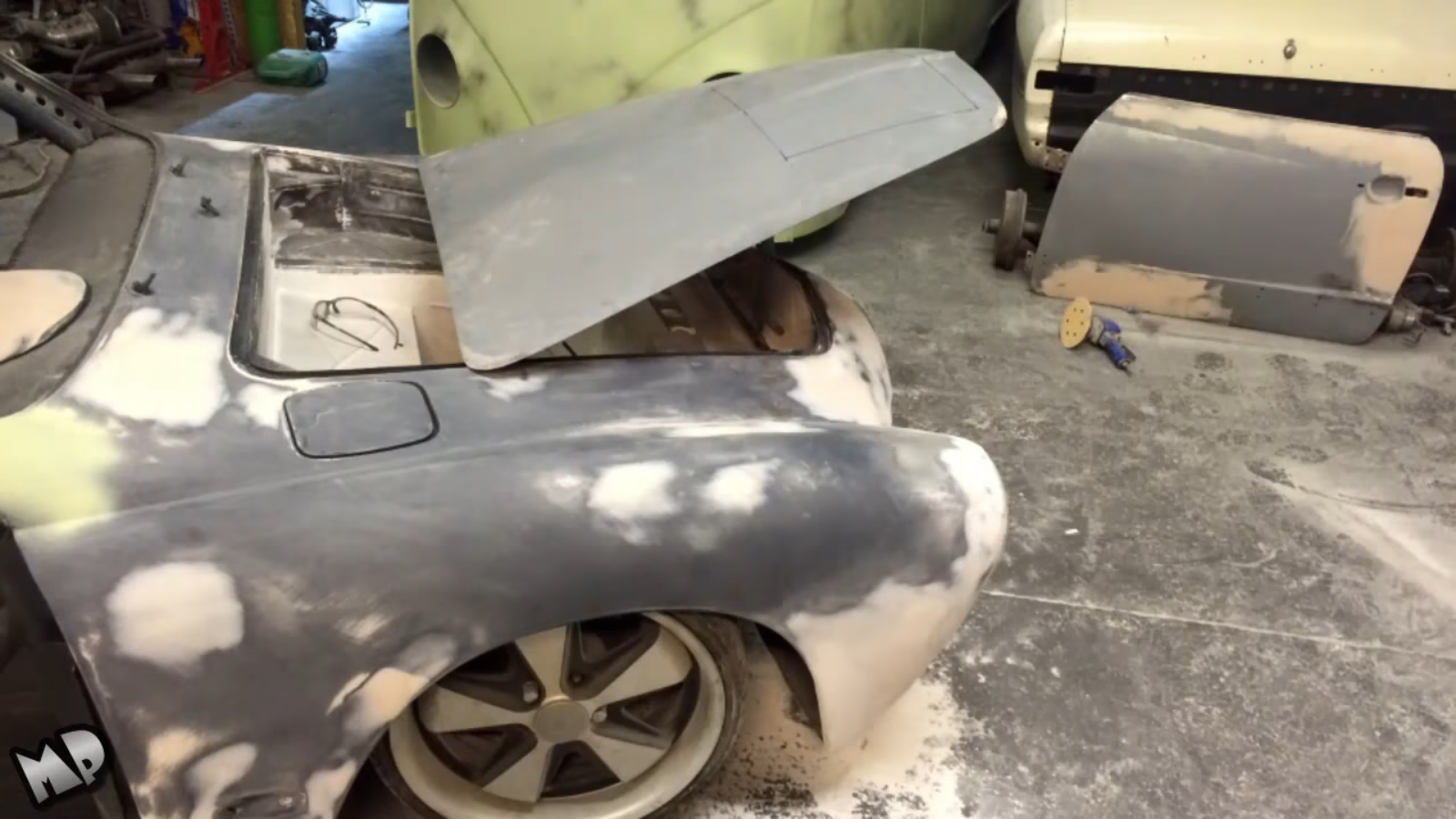
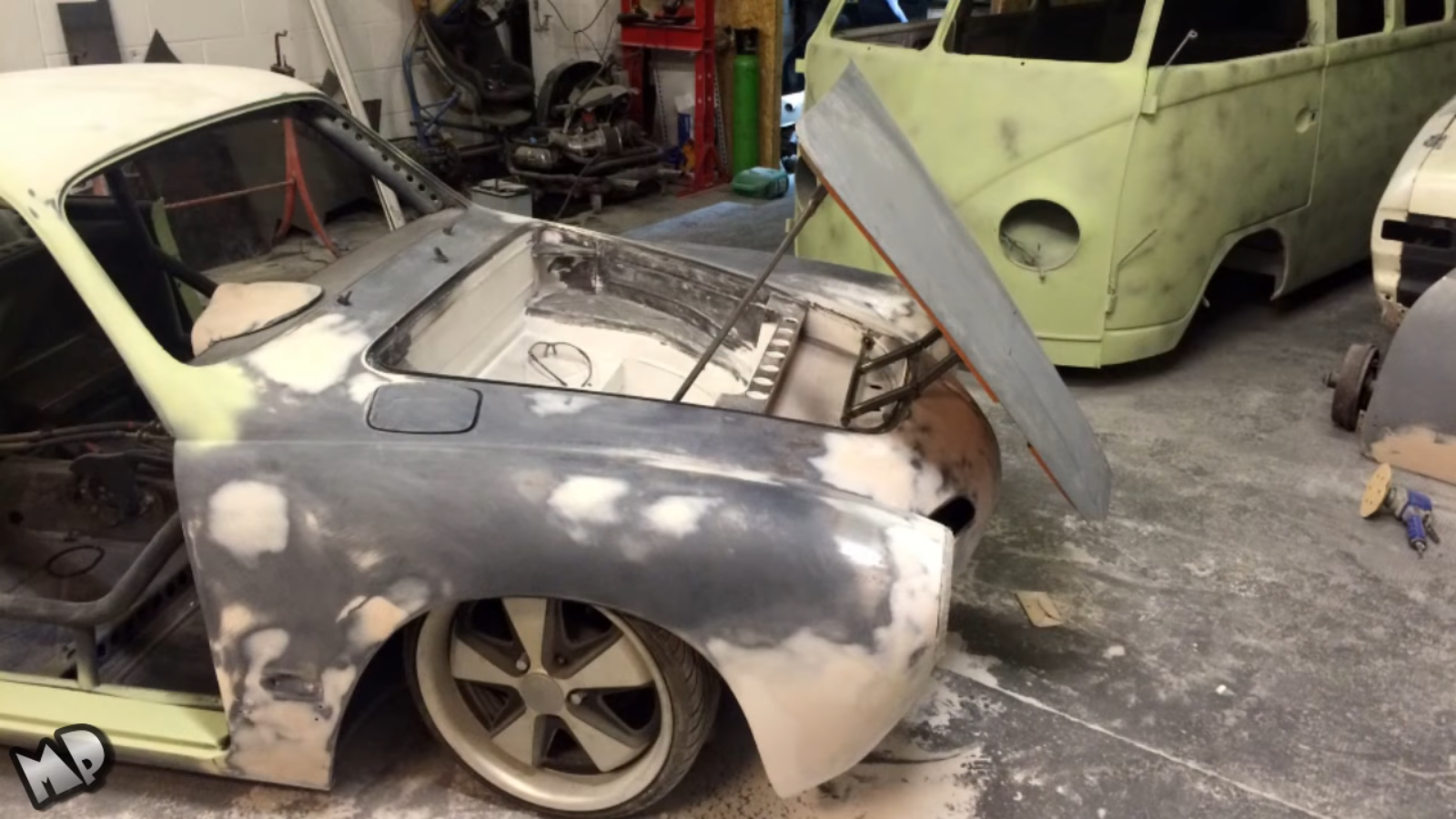

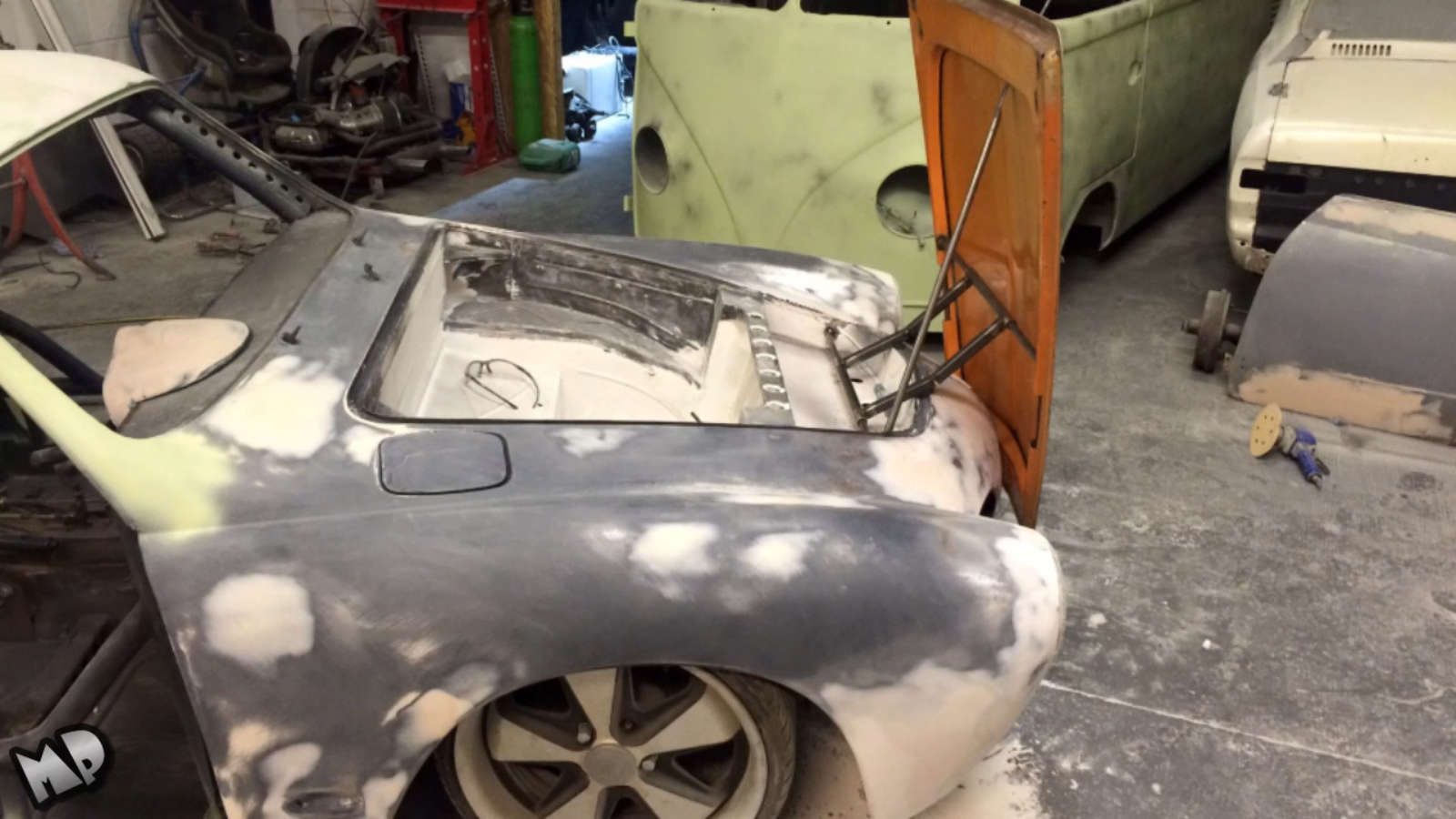
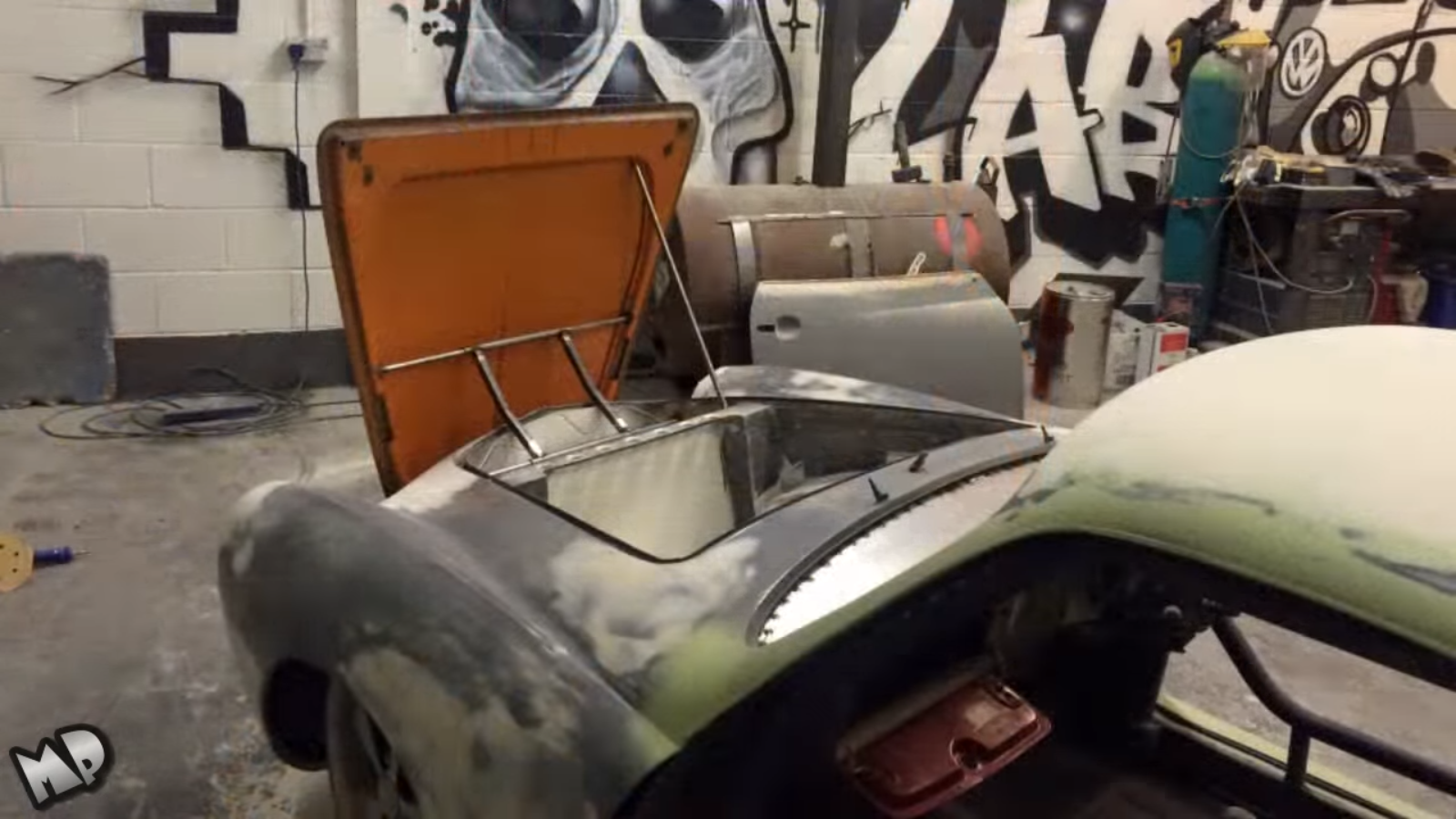
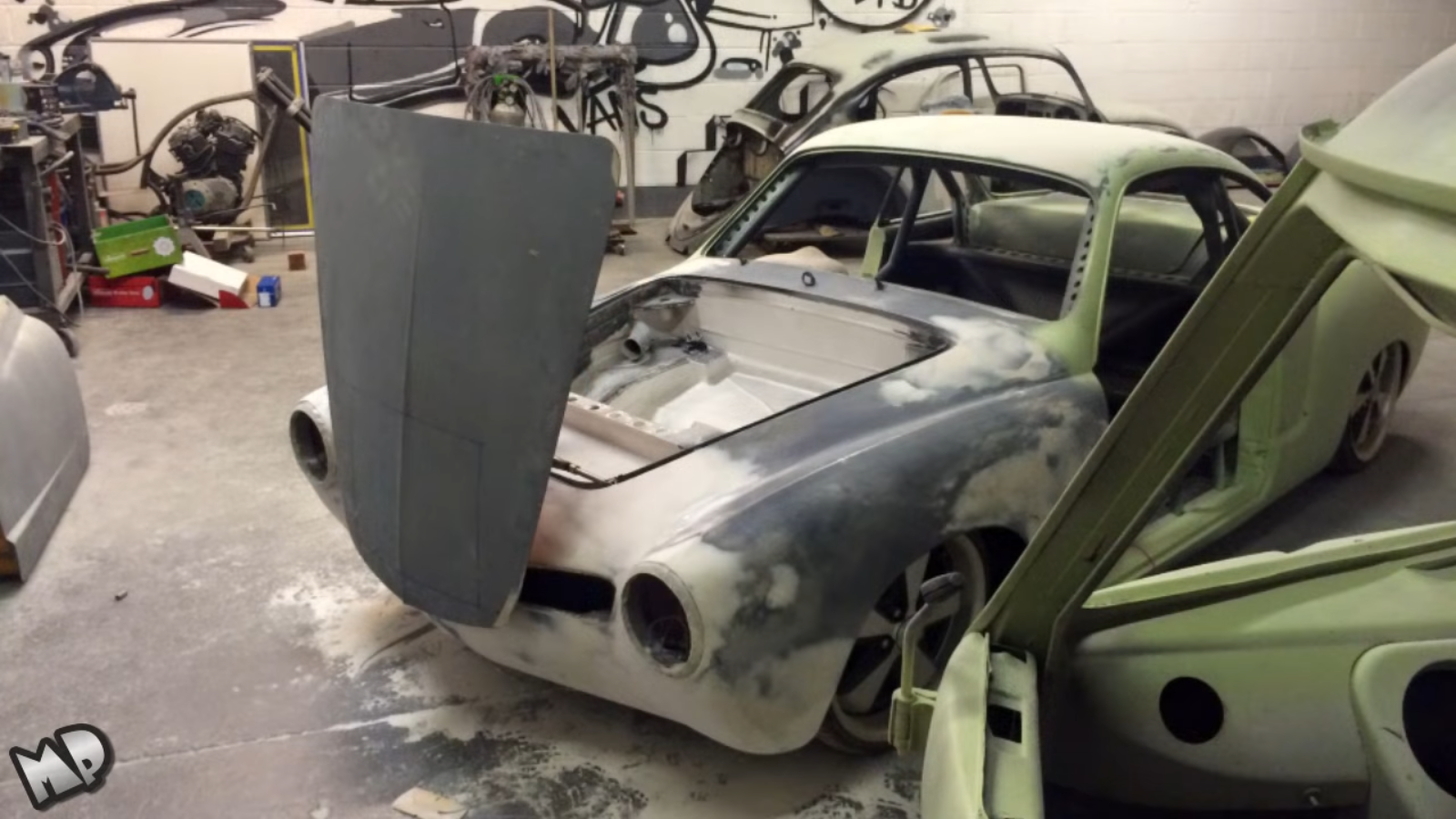
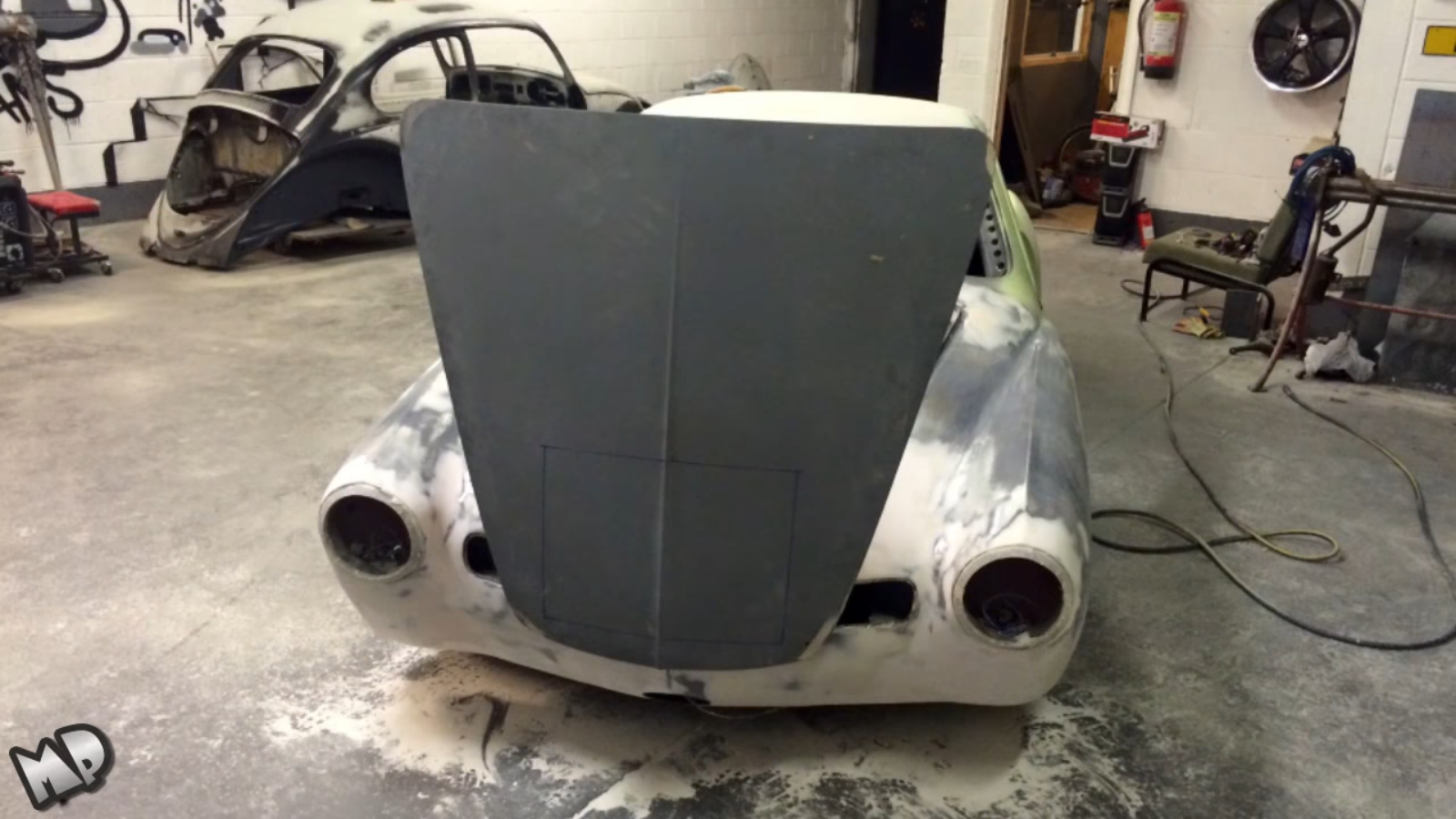
Today’s engine option is on the extreme size. It’s another 2332cc choice with a turbo charger. This beast is capable of producing 330hp at 6400rpm and 290 ft/lbs of torque at 4300rpm.
Features:
84 Stroke x 94 Bore
44 x 37.5 Super Pro Heads w/Titanium Retainers, VW650 Springs
#2292 Eagle Racing Camshaft (FK-10)
1.4:1 Ratio Rockers
8:1 Compression
Gen4 Turbo EFI Hybrid Turbo
Water/Meth Injection
Boost Control
Crank Trigger Ignition
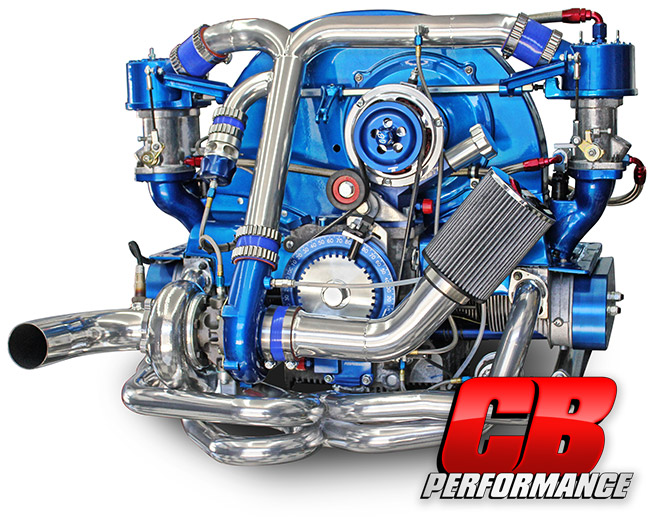
Option number 2 is a 90.5 x 84 stroker clocking in at 2110cc and 150hp. It’s a slightly milder build, but still enough umph.
I am certainly undecided on what size engine I want to go with, but I’m fairly sure I’m going to purchase a Builder’s Choice engine package from CB Performance. These kits take all the guesswork out of building an engine for someone who is mechanically inclined but may not be overly knowledgeable on the VW platform.
One of the kits I’m interested in is the 94 x 86 stroker, coming in at 2332cc and producing around 200hp. This would be great power in a sub-2000 pound car.
By taking some easy preventive measures, your driven show car will stay in tip top shape when not on the road.
One of the most basic precautions you can take for your vehicle is to keep it securely stored. A vehicle left out in the elements is vulnerable to exterior damage. Not to mention, idle cars are a favorite hiding spot for little critters to build nests and wreak havoc. If possible, keep your vehicle stored safely in a garage, or at least under a car cover.
A car battery can last up to five years in storage if a full level of charge is maintained. In the situation of a long-term storage, it’s probably best to remove the fully charged battery and store it in a cool, dry place. Another option is to purchase a low voltage trickle charger that automatically maintains the battery in a constant state of readiness.
The alternative to both of those methods is to install a main power switch. These are often used in marine applications, but they also work well on automobiles. When not using the car, turn off the battery. This isolates it from the parasitic drain of the various onboard systems. When you return, rotate the master switch to the on position, and the vehicle is once again ready for service.
In any type of storage situation, whether it’s long-term or short-term, it’s a good idea to have fresh oil installed. This new engine oil is rich in additives that help protect against corrosion and wear. To achieve the maximum benefit of these additives, crank the motor up to circulate the lubricant once or twice a month. This will also help keep the internal seals and gaskets from dry rotting and deteriorating.
Fuel degradation is another common problem facing rarely driven cars. All fuel will degrade over time. In fact, the latest wave of ethanol-blended fuels does not store well at all. This isn’t a problem for drivers who run through a tank of gas within a three-month period of time, but go longer than that, and you could run into problems. The last thing you want to do after the car has been stored is to pull and flush the gas tank before you go for a ride. Thankfully, there are certain things we can do to extend the life of this petroleum product.
In a storage situation, moisture intrusion is an issue to contend with. As the tank goes through its normal temperature changes, moisture droplets form on the surfaces not submerged in gas. For this reason, it’s recommended to fill the tank with an ethanol-free gasoline before you park the car for the last time. These ethanol-free fuels have a much longer storage life than their blended counterparts. Gas stations throughout the United States offer corn-free products for small engines and boat owners. You can go to pure-gas.org to find a station near you that offers pure gas.
Finally, if you’re not sure how long the car will sit, take an extra step by adding the recommended amount of a fuel stabilizer product to the tank. A tank full of ethanol-free gas with a fuel stabilizer additive can last up to five years without significant degradation.


Today at the AIB Network during a taping of Talk It Out with Ralph Basui Watkins…

… one of our guests drove up in a 1961 Cabriolet. He and I talked shop for a bit before show time.